

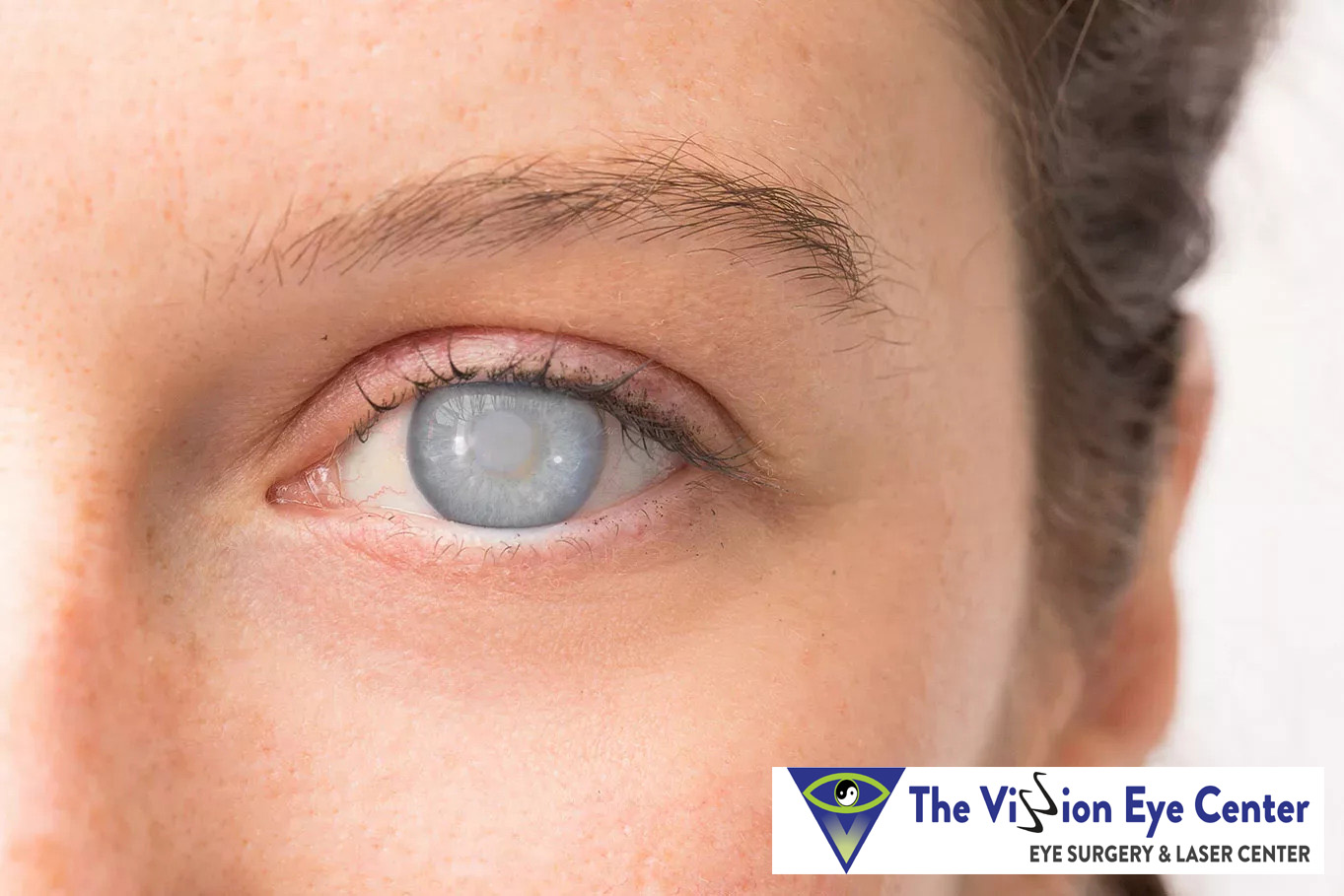
The lens of the eye which is made of water and protein helps focus light into the retina through which visual signals are sent to the brain. Excess of protein building leads to lens blocking. The cloud form on your eye lens due to excess protein reduces vision due to blockage of light passing to the retina. This excess protein built-up which leads to lens blockage is called cataract.
As the cataract progresses, the normally clear lens becomes increasingly opaque, leading to blurred, cloudy, or dim vision. Cataracts typically develop gradually and may affect one or both eyes.
Cataract is considered as a normal process of aging. At our center for cataract treatment we come across patients from the age group of 60 plus. Few patient cases in the age group of 45–60 are also detected for femtosecond Laser Cataract Surgery in Mumbai at our center.
In addition to aging, cataracts may develop due to:
Early detection through routine eye examination helps determine the right time for intervention.
Some of the more common symptoms of cataract include:
If you are facing such symptoms then an early detection of cataract will help you take a decision under the professional guidance of our Doctors.
People with a cataract in only one eye may notice a loss of depth perception; this can cause problems in judging where stairs are and determining the distance of cars driving in front of them.
Additional visual complaints include:

Cloudy Vision

Washed out Vision

Unclear Edges

More Light Needed

Glare in Vision

Yellowing of Vision
Clear vision plays a vital role in maintaining independence and quality of life. At Vission Eye Center – Eye Surgery & Laser Center, Mumbai, we provide advanced cataract diagnosis and surgical treatment using modern microsurgical techniques and premium intraocular lenses.
Our approach combines clinical precision, transparent consultation, and patient-focused care to help you make informed decisions about your eye health.
Cataracts may be classified into:
Each type progresses differently and influences treatment timing.
A detailed cataract evaluation includes:
Accurate measurements are essential for selecting the most suitable intraocular lens (IOL).
Our surgeons are all highly trained and have had extensive experience with the most up-to-date techniques used for cataract surgery in Mumbai at our center. The Vission Eye Center offers a relaxed and friendly setting for the patient and the patient’s family.
At Vission Eye Center, patients benefit from:
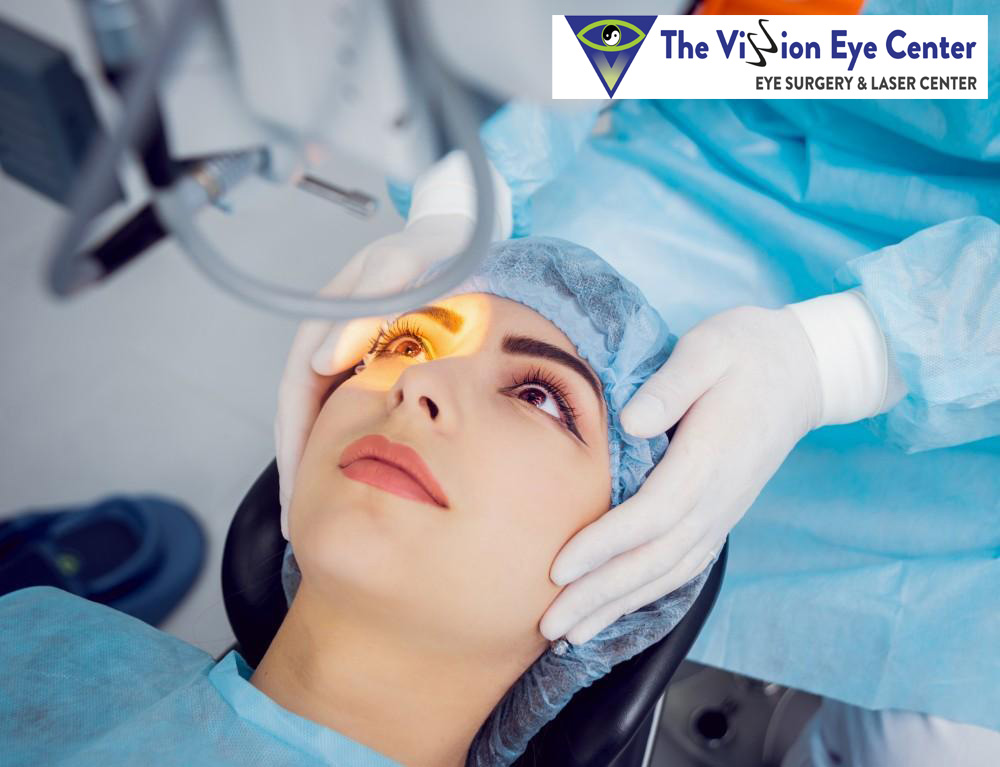
Our consultation process gives you an opportunity to understand cataract surgery or procedure involved, and the cataract operation cost in Mumbai.
It must be understood that complications may occur in all types of surgery. In cataract treatment, haemorrhage, infection, and swelling are all possible, but very uncommon. The chance of any significant cataract surgery complications is less than 1%. It is among the safest and most successful procedure in the medical field. However, if a problem does arise, prompt treatment may resolve it.
About a year after surgery, approximately 20% of the patients who undergo femtosecond Laser cataract surgery develop a haze of the capsular membrane surrounding the lens implant. Should this occur, YAG laser treatment is recommended. The YAG laser is used to create an opening in the clouded membrane, which significantly improves the patient’s vision. It is one of the safest treatments used in ophthalmology. It is painless, requires no anaesthesia or incision, and takes only minutes to complete.
Presently, there is no medication, eye drops, exercises or glasses to cure or prevent cataracts. Surgery is the only way to remove a cataract. Cataract surgery is one of the most safest and common type of surgery. Cataracts cannot be removed with a laser, only through surgical incision. In cataract surgery the cloudy lens is removed from the eye.
The focusing power of the removed lens is achieved by replacing it with a permanent intraocular lens implant (IOL), which has been selected to suit the specific eye measurements of each patient. The expense of Cataract surgery is an essential subject on the grounds that it is the most regularly performed surgery on the planet.

1. Phacoemulsification (Micro-Incision Cataract Surgery)
2. Femtosecond Laser-Assisted Cataract Surgery
Lens replacement surgery render accurate correction for vision. If you would like to be femtosecond laser and it will also a leading reason why cataract surgeons are excited about their potential, due to the automation these lasers can provide – in creating the capsulorhexis and in pre-chopping the nucleus, reducing the overall energy needed to remove the cataract.
Laser in cataract render accurate correction for vision. Laser in cataract also is a leading reason why the best cataract surgeons in Mumbai are excited about their potential. Due to the automation, these lasers can provide – in creating the capsulorhexis and in pre-chopping the nucleus, reducing the overall energy needed to remove the cataract.
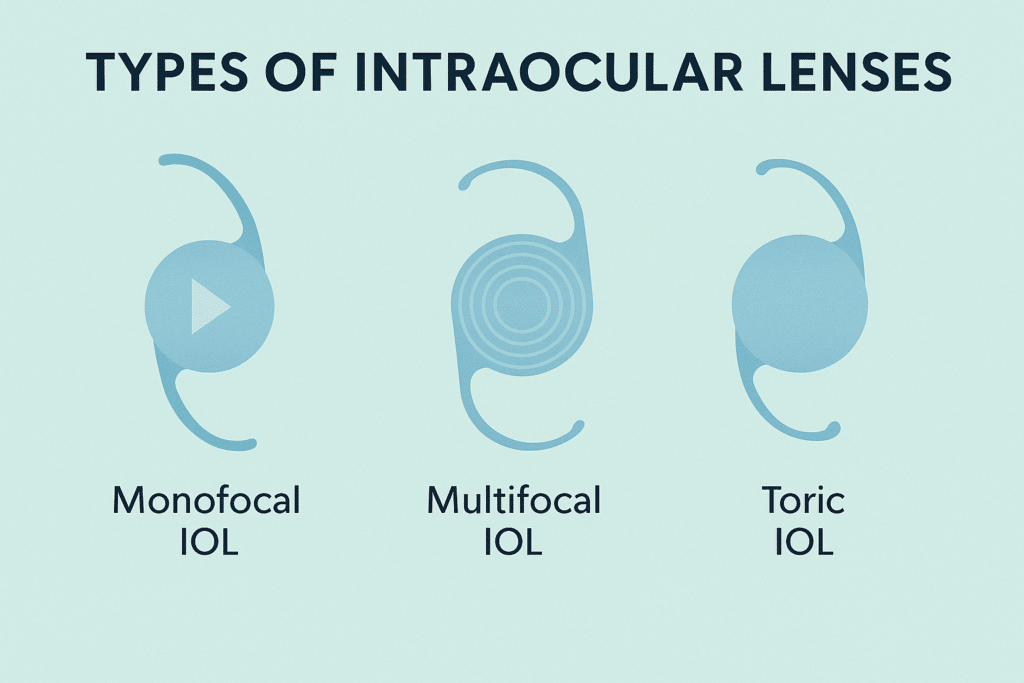
Depending on lifestyle and visual needs, different IOL options are available:
Premium lenses can reduce dependence on spectacles after surgery. Your suitability is determined after comprehensive evaluation.
Shortly after cataract operation is completed, the patient may go home and resume almost all routine activities.
Best cataract eye specialists in Mumbai may advise patients to refrain from screens, reading and harsh lights for the first twenty-four hours after surgery. After a few days, you can use a computer, return to work, work on your mobile devices and watch television. Rest your eyes for three to four hours, protect them from air-conditioning and dust, do not rub your eyes, use lubricating eye drops to resolve dryness and itching. Choose baths over showers to avoid getting tap water and soap into the eyes for quick healing.
Cataracts usually progress gradually. Untreated cataracts may lead to:
Timely surgery restores clarity and helps maintain independence.
Myth: Cataracts can be cured with eye drops.
Fact: Surgery is the only proven treatment.
Myth: Cataract must “mature” before surgery.
Fact: Surgery timing depends on vision impact, not maturity.
Myth: Laser surgery removes cataract without incision.
Fact: The cloudy lens is removed surgically; laser assists in precision step.
Patients want to know if they would achieve 20/20 vision
after cataract surgery, a surgical procedure to replace their eye lens with an
artificial one. This happens when the existing cataract makes the vision cloudy
and blurry, usually in older adults. You can have 20/20 vision if you do not
have other health conditions, such as corneal scarring, macular scarring and
wrinkling, macular degeneration and glaucoma. During cataract surgery, the
surgeon replaces the human lens with an artificial lens, which could cause
compromised vision when other conditions are present.
Patients could be farsighted or nearsighted, but they can use multifocal
artificial lenses when preparing their spectacles after surgery. They resemble
bifocal contact lenses, which are permanently placed in the patient’s eye. They
are incredibly effective if you do not have astigmatism, in which you would have
to get the same treated before the artificial lens implantation.
Best cataract eye specialists in Mumbai may advise patients to refrain from screens, reading and harsh lights for the first twenty-four hours after surgery. After a few days, you can use a computer, return to work, work on your mobile devices and watch television. Rest your eyes for three to four hours, protect them from air-conditioning and dust, do not rub your eyes, use lubricating eye drops to resolve dryness and itching. Choose baths over showers to avoid getting tap water and soap into the eyes for quick healing.
In traditional cataract surgery, the surgeon incites the cornea’s side
by hand to remove the damaged lens. Next, they insert a probe that breaks the human
lens with ultrasonic energy, while another probe brings out the pieces. Finally, using
the same incision, they insert the replacement lens and stitch up any cuts.
During laser-assisted cataract surgery, the surgeon uses specialised software to
create the proper surgical plan using three-dimensional images of the patient’s
eye. The design includes the cataract’s length, depth and location and breaks the
cataract using a femtosecond laser. As there are no major incisions, the stitches
heal themselves.
If you compare traditional and laser cataract surgery, you will find that the
latter uses a computer-guided laser. This increases the accuracy of the surgical
incision by ten times, along with half the amount of ultrasonic energy to break
the lens and precise placement of the artificial lens. Using traditional cataract
surgery, you experience side effects such as eye discomfort, itchy eyes and
blurred vision. However, you will not experience pain with laser cataract surgery.
Patients undergo cataract surgery as per their medical requirements and doctor’s recommendations. It is suggested if they already have blurred vision issues, while it becomes critical when they have completely lost their eyesight. Cataract surgery is not performed if you have infection risks and complications in place. The possibility of getting cataracts only increases as we age, but winter is a suitable time for surgery as you recover faster. However, you must avail of cataract surgery quickly should you experience excessively blurred vision that hampers daily activities.
Though cataract is a common eyesight problem for the elderly, it
occurs when the proteins of the eye lens cluster and make your vision cloudy. You must
consider immediate cataract surgery if you experiencehalos and glare when driving, when
your eyesight is below the 20/40 vision legally required for driving, experience light
sensitivity during sports and driving, changing colour in vision (usually brown or yellow)
and second sight, which is defined as a sudden but temporary improvement insight.
Though you can choose not to avail of surgery, it could cause blindness. So instead, save
your eye health with quick and efficient eye surgery for a better quality of life.
If blurred or cloudy vision is affecting your daily life, a detailed cataract assessment can help determine the best next step.
Our Commitment to clinical excellence is lead by our senior doctor, Dr. Himanshu Mehta, a world renowned ophthalmic surgeon, who has performed over 25000 refractive surgeries
2026 All Rights Reserved Vission Eye Center | Design & Developed By Acetrot


Call

Consult


