

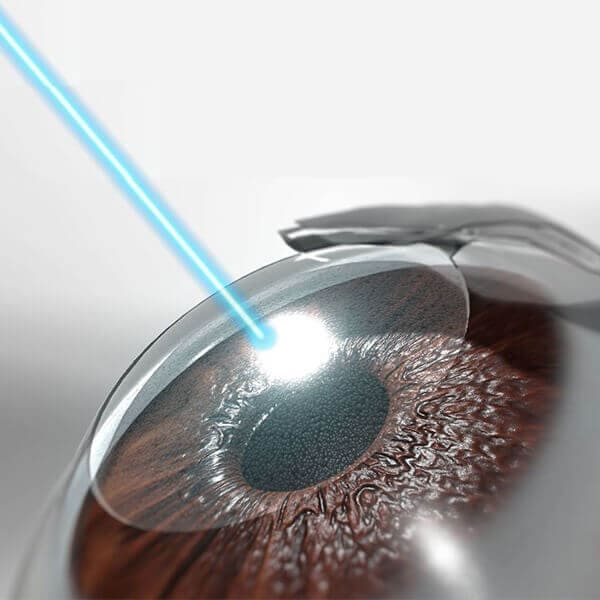
Lasers are used in a throng of conditions for the retina. Retinal photocoagulation is the mechanism of action for a retinal laser treatment. In this marvel, light energy is converted to heat at the level of the retina, leading to protein denaturation during the retina laser surgery.
LASIK indicates the correction of low, moderate, and high myopia with and without astigmatism. The specific dioptric limits depend on the particular laser system and the regulatory agency of each country.
Retinal disease is primarily treated using a retina laser. The light energy is absorbed by particular tissue at the back of the eye and transformed to heat with this laser. The heat causes a tiny area of damage to the retina. As the eye heals from this small area of damage, the scar helps to correct the underlying retinal disease. Retina laser is used to seal retinal tears, close leaking blood vessels, or break down abnormal tissue or blood vessels.

Laser treatment is commonly used for retinal diseases such as diabetic retinopathy, diabetic macular edema, retinal tears, vascular occlusion, and central serous chorioretinopathy. Different laser technologies may also be used for LASIK and cataract procedures.
Most laser eye treatments are minimally painful and are performed under local anaesthesia or with numbing eye drops. Patients may feel slight discomfort or pressure during the procedure, but recovery is generally quick.
Recovery time depends on the type of laser procedure performed. Many patients notice vision improvement within a few days, while complete healing may take a few weeks. Doctors usually advise avoiding eye rubbing, dust exposure, and strenuous activities during recovery.
Yes, modern laser eye treatments are considered safe and highly precise when performed by experienced eye specialists. Advanced technologies such as femtosecond and excimer lasers improve surgical accuracy, reduce complications, and support faster recovery.
Our Commitment to clinical excellence is lead by our senior doctor, Dr. Himanshu Mehta, a world renowned ophthalmic surgeon, who has performed over 25000 refractive surgeries
2026 All Rights Reserved Vission Eye Center | Design & Developed By Acetrot


Call

Consult


