

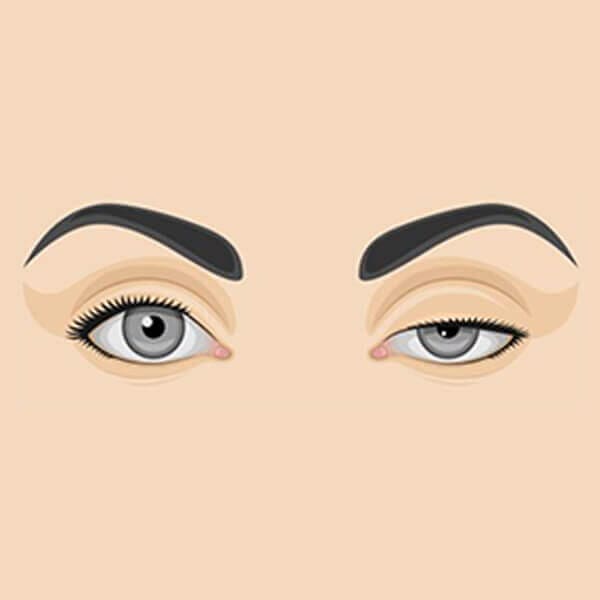
Ptosis is a drooping of the upper eyelid. Ptosis can restrict and even block normal vision in some cases. The lid may drop slightly or entirely cover the pupil. It can affect both children and adults and can be treated surgically.
Congenital ptosis is frequently caused by a lack of development of the levator muscle, which lifts the eyelid. A child born with it may also have:
If your child has ptosis, please have them evaluated as soon as possible. Your child is susceptible to vision issues.
Ptosis Surgery is the most common treatment for childhood ptosis. If amblyopia is present, treatment with patching, eyeglasses, or eye drops may be required. An ophthalmologist must consider a few important factors in determining whether or not eyelid ptosis surgery is necessary and which procedure is the most appropriate:
Separating or stretching the levator muscle tendon from the eyelid is the most common cause of ptosis in adults. This procedure may take place:
Adult ptosis can also be caused by other diseases that affect the levator muscle or its nerve supply, such as neurologic and muscular diseases and, in rare cases, orbital tumours.
If treatment is required, it is typically surgical. A small tuck in the lifting muscle and the removal of excess eyelid skin can sometimes raise the lid sufficiently. More severe ptosis necessitates levator muscle reattachment and strengthening.

Ptosis is a condition where the upper eyelid droops over the eye. It can occur in children or adults and may be caused by weak eyelid muscles, ageing, nerve problems, injury, or congenital conditions present since birth.
Yes, severe ptosis can partially or completely block vision by covering the pupil. In children, untreated ptosis may lead to vision problems such as amblyopia (lazy eye), astigmatism, or squint.
Ptosis surgery is the most common and effective treatment, especially when the drooping eyelid affects vision. In some cases, additional treatments like eyeglasses, eye drops, or patching therapy may also be recommended, particularly for children.
You should consult an eye specialist if you notice drooping of the eyelid, difficulty keeping the eye open, blocked vision, eye strain, or if your child is born with a droopy eyelid. Early diagnosis and treatment can help prevent long-term vision complications.
Our Commitment to clinical excellence is lead by our senior doctor, Dr. Himanshu Mehta, a world renowned ophthalmic surgeon, who has performed over 25000 refractive surgeries
2026 All Rights Reserved Vission Eye Center | Design & Developed By Acetrot


Call

Consult


