The cornea is the clear, dome-shaped window at the front of the eye. It protects the eye and does most of the work of focusing light, so even a small problem with its shape, clarity or surface can blur your vision or cause pain.
At The Vission Eye Center in Juhu, Mumbai, Dr. Himanshu Mehta and his team diagnose and treat the full range of corneal conditions, from infections and dry eye to keratoconus, pterygium and corneal scarring. Treatment options include medicines, corneal collagen cross-linking, Intacs and corneal transplant surgery. Choose a condition below to learn more.
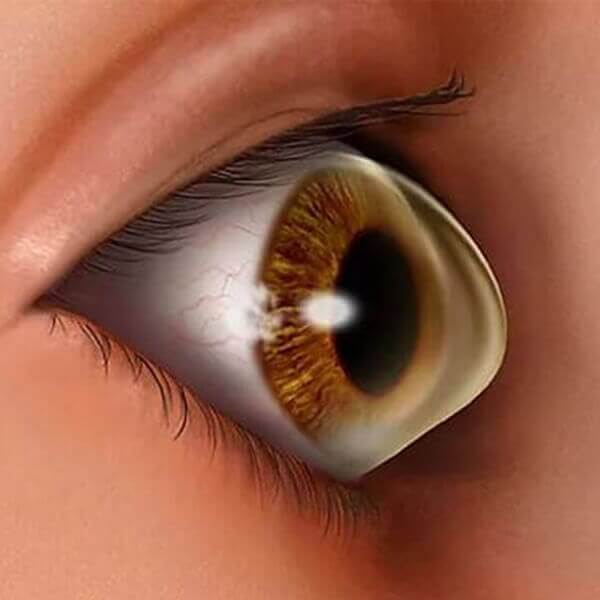
Keratoconus is a bilateral ocular disorder in which the cornea assumes a conical shape due to thinning of the stromal collagen tissue.
Read moreCorneas used for transplantation have been donated to the eye bank from a deceased person. All corneas are carefully screened and prepared by the eye bank.
Read morePlease book an eye examination if you notice any of the following:
Sudden pain and redness with reduced vision, particularly if you wear contact lenses, needs urgent attention. Call us on +91-9867656060.
Every treatment begins with a detailed examination and corneal scans, so that the plan suits your eyes and your daily needs. Book a consultation with Dr. Himanshu Mehta to discuss your options.
Corneal collagen cross-linking is a treatment for keratoconus that uses riboflavin (vitamin B2) eye drops and controlled ultraviolet light to strengthen the collagen fibres of the cornea. It aims to slow or stop the cornea from becoming thinner and more cone-shaped, and is usually done as a day-care procedure.
Yes. A corneal ulcer is an open sore on the cornea, usually caused by an infection, and it can threaten vision if it is not treated quickly. A painful red eye, especially in a contact lens wearer, should be checked by an eye specialist the same day.
Pterygium can grow back after it is removed. Modern techniques, such as covering the area with a thin graft of the patient’s own tissue, help reduce the chance of it returning.
Our Commitment to clinical excellence is lead by our senior doctor, Dr. Himanshu Mehta, a world renowned ophthalmic surgeon, who has performed over 25000 refractive surgeries
2026 All Rights Reserved Vission Eye Center | Design & Developed By Acetrot


Call

Consult